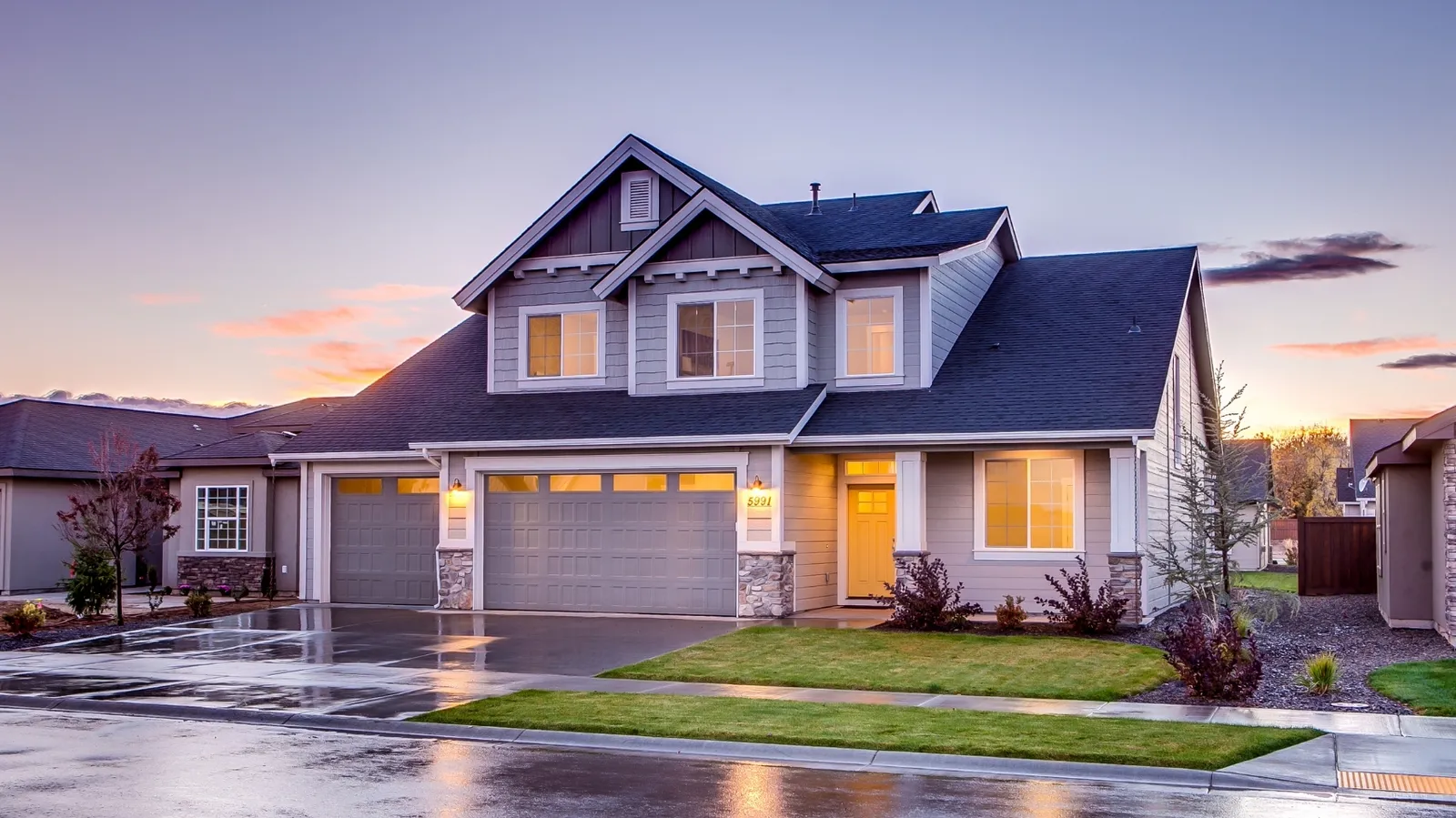
Soffit & Fascia Repair in Owasso, OK
The soffit and fascia trim the roof edge and quietly carry the attic intake vents. When they rot, the gutters loosen, water gets behind the edge, and the attic stops breathing. A local roofer replaces the bad boards, protects the eave, and keeps the ventilation working.
The eave does two quiet jobs
The eave assembly is easy to overlook until it fails. The fascia is the board that runs along the roof edge, the one the gutters mount to and the drip edge protects; the soffit is the panel that closes in the underside of the overhang. Together they trim and seal the edge of the roof, but the soffit does a second job that matters more than it looks: it houses the intake vents, the low half of a balanced attic ventilation system.
When the fascia rots, gutters pull loose and water works behind the edge; when the soffit is damaged or blocked, the attic loses its intake and the whole roof runs hotter and damper. Our roofers replace the rotted boards, protect the edge, and keep the ventilation breathing, because a sound eave is part of keeping the roof above it dry.
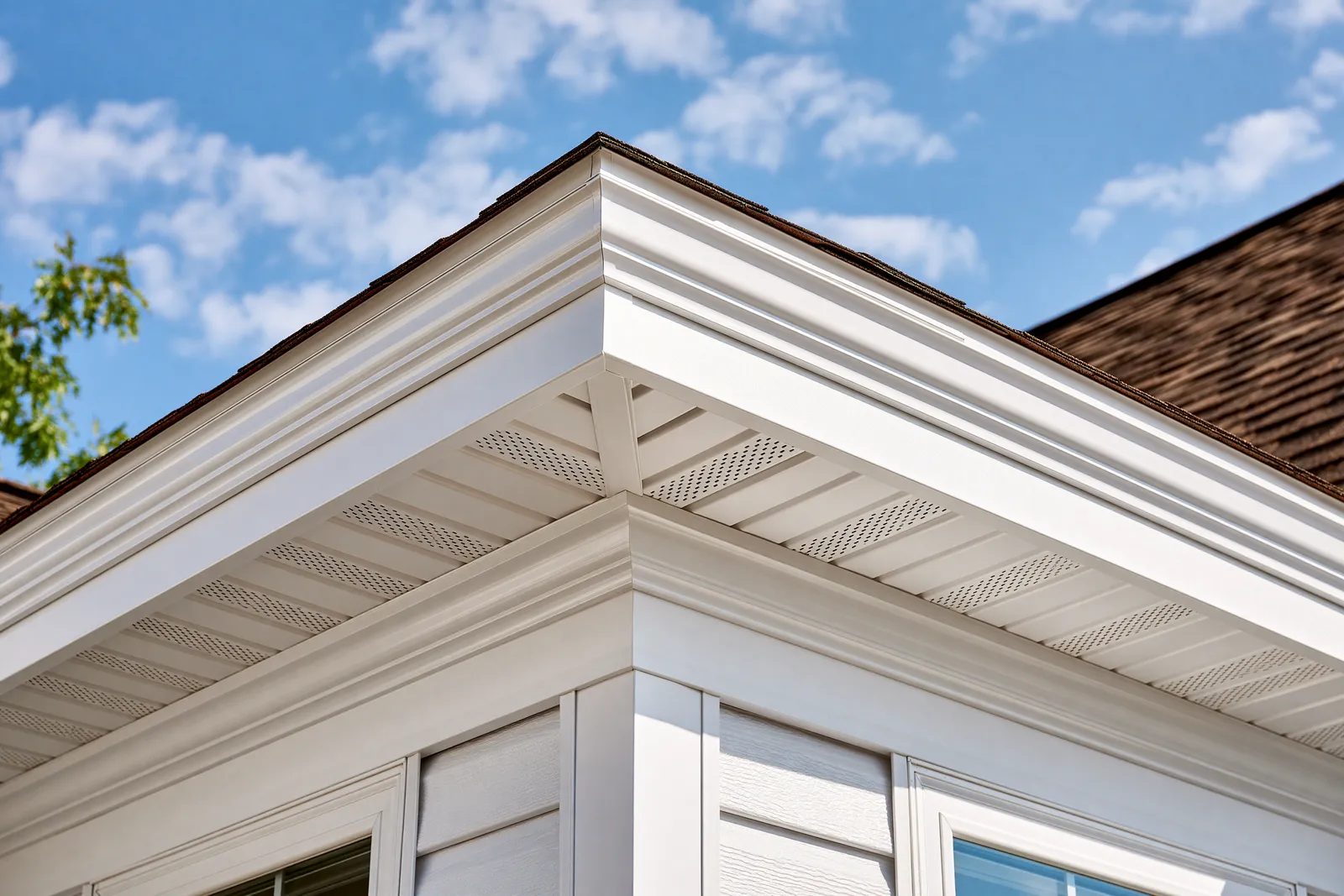
What soffit and fascia work actually covers
The eave details a local roofer reads and repairs.
- 01Rotted fascia board
- The fascia carries the gutters and takes the water the drip edge throws off; where it has gone soft or rotted, it is cut out and replaced so the gutters hang on sound wood.
- 02Damaged or blocked soffit
- The soffit closes the underside of the overhang and holds the intake vents; damaged panels are replaced and blocked vents cleared so the attic can draw air.
- 03The intake ventilation
- Because the soffit is the intake half of attic ventilation, the roofer confirms the intake is open and balanced against the ridge exhaust, not just patched shut.
- 04The gutter and drip-edge tie-in
- The eave, the gutters, and the drip edge work together, so the roofer checks that the edge sheds water clear rather than back behind the fascia.
Rotted eave boards usually mean water has been getting in somewhere above, so a free inspection reads the roof edge and the roof together.
How soffit and fascia work goes, in order
Find the rot, replace the boards, restore the intake, each step on the record.
Read the eave and the source
A local roofer checks the fascia, the soffit, and where water has been getting behind the edge, then photographs it, since rotted eave boards usually point to trouble on the roof above.
Replace and protect
The rotted boards are cut out and replaced, the edge is sealed and the gutters rehung on sound fascia, with the written price set before the work begins.
Restore the intake
The soffit intake is confirmed open and balanced against the ridge exhaust, so the attic breathes again, and the finished edge is documented in the estimate.
Signs your Owasso soffit or fascia is failing
The tells that the roof edge needs a look.
- Fascia boards that are soft, peeling, or visibly rotted
- Gutters sagging or pulling away from the roof edge
- Stained or crumbling soffit panels under the overhang
- A hot, stuffy attic, a sign the soffit intake is blocked
- Birds, wasps, or squirrels getting in where a soffit has opened up
Eave rot rarely starts at the eave; a free look checks whether water above is the real cause.
What eave work runs
Soffit and fascia work is priced by the foot, which keeps the math refreshingly concrete: published guides put repairs roughly between $9 and $34 per linear foot, with fascia board replacement typically $6 to $20 per foot and soffit panels $6 to $30 depending on the material. A short stretch of rotted eave is often a few hundred dollars, while wrapping a whole house runs well into the thousands. Those are national ballparks, not quotes. And since rotted boards usually mean water got in above, the roofer prices the eave and any roof repair as one written scope, so the number is set before work starts and nothing surfaces later.
See honest cost ranges- Eave work is priced by the linear foot, roughly $9 to $34
- A short run of rotted fascia is often a few hundred dollars
- Material moves it: wood, aluminum, and vinyl price differently
- The written scope covers the eave and whatever let the water in
What Owasso eaves tend to need
The eave is often where an aging Owasso roof shows first. Wood fascia and soffit take years of Oklahoma sun and hard rain, and once a gutter overflows or the drip edge fails, water works behind the edge and the boards rot from the back. Because the soffit is the attic intake, a blocked or damaged eave also quietly starves the ventilation, so a roofer reads the eave and the attic together rather than treating the boards as trim alone.
- 01Sun and water on wood
- Years of Oklahoma sun and overflowing gutters rot wood fascia and soffit from behind, common on aging Owasso eaves.
- 02The intake connection
- A blocked or damaged soffit cuts the attic intake, so eave repair and ventilation go hand in hand rather than being separate jobs.
- 03A sign of trouble above
- Rotted eave boards usually mean water has been getting in higher up, which a documented look on the roof confirms.
Seeing rot or a sagging gutter line? A roofer reads the eave and the attic ventilation together, since the soffit is the intake half of the system.
Soffit and fascia questions
What Owasso homeowners ask about the roof edge.
What is the difference between soffit and fascia?
Why is my fascia rotting?
Does soffit repair affect my attic?
Can you fix soffit and fascia without redoing the roof?
Do you handle the gutters at the same time?
Get your Owasso roof edge documented, free
Snap a photo of the trim going soft and a local roofer reads the fascia, the soffit, and the intake behind it, replaces the rotted boards, and puts one number in writing. That is the whole ask.
The workmanship goes in writing, with the exact guarantee and warranty terms confirmed in your written estimate.
Tell us what the eave is doing and a local roofer follows up the same day to take a look.